
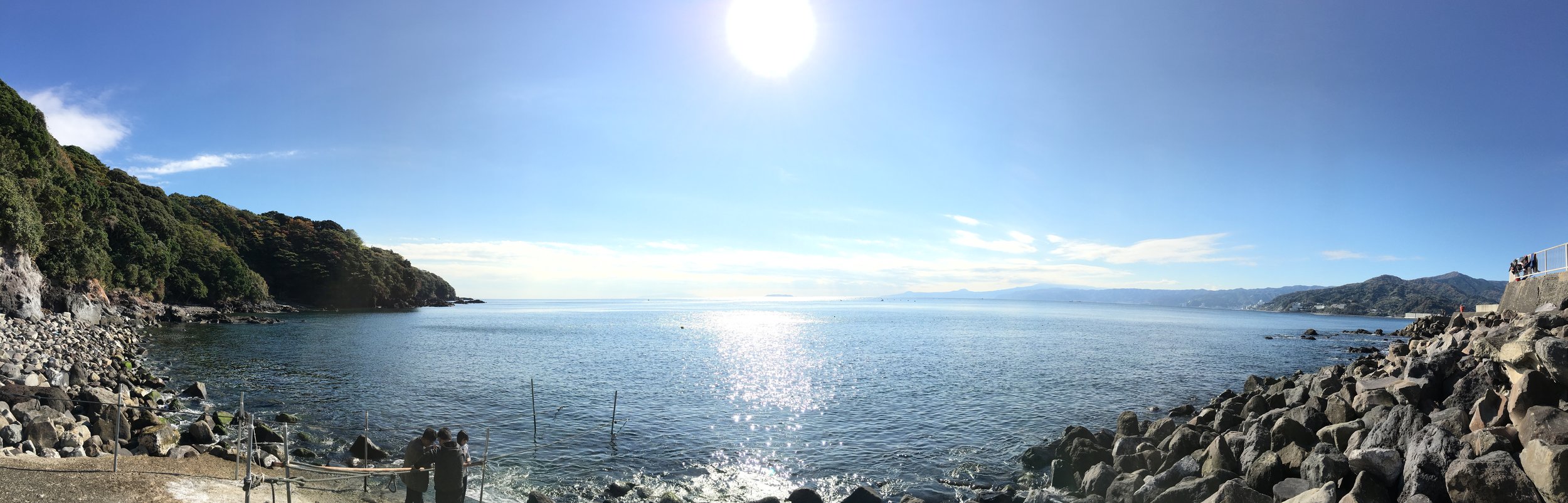
感謝を込めて 新嘗祭 Expressing Gratitude
/11月23日は新嘗祭ですね。新嘗祭は宮中と神社で行われる行事で、一言で説明すると、今年採れた新米を神にお供えし豊作を感謝する日です。また毎年2月には、祈年祭が執り行われ、今年の豊作を神に願います。つまり11月の新嘗祭は、そのお願いを叶えて下さった神様へのご報告とお礼参りという事でしょうか。
実は多くの日本人も余り知らないと聞きましたが、日本の主だった祝日では、天皇陛下直々に神に祈りを捧げる行事が執り行われているのだそうです。新嘗祭も天皇陛下自らがお育てになった新米を捧げてお祈りなされると言われます。
先日、宮司さんが新嘗祭に先駆けて、今年の新米をお供えし、その3種を炊いて振舞ってくださる機会がありました。参加者はその大切な新米をじっくり味わい、それぞれの味やテクスチャの違いを楽みつつ、恵みへの感謝のお話を宮司さんから伺いました。
よく日本人には宗教心が少ないと耳にする事がありますが、私は必ずしもそうではないと思っております。日本ではそもそも「八百万の神が自然界には宿っている」という考えが、人々の生活に根付いています。その証拠に、色々な”モノ”に対する供養が行われますよね。裁縫をする人達は「針供養」、漁業を生業とする人達は必ず魚介類への供養を行っています。農業学校の敷地内にも、試験に使われたあらゆる生き物への供養塔が建てられており、生徒や教員がお供えを絶やしていません。私達が遊ぶお人形さんですら、そのままゴミとして破棄するのではなく、最寄りのお寺や神社に持供養をしてもらってから、さようならをするという方も多く見受けられます。勿論、国民全員がその習わしに従っているとは言えませんが、敬けんな仏教徒や神道信者でなくても、「恩恵を被った人には感謝を、、、」、または「使い込んだものには、世話になった感がある」と思う人が少なくありません。
つまりその感情の根底には、自分はこれらの”おかげ”で、生活できている、仕事が出来ている、恩恵を頂いているという因果関係を理解しているからではないでしょうか。またそれぞれのものにも、魂が宿っているから供養したいと考える方もおられるでしょう。
最近、「Gratitude(感謝)」に関するワークショップの広告を巷で目にします。忙しない日々の中、感謝の心を忘れているかもしれない、意識的に感謝の気持ちを持ちたいという志は良い事だと思います。ただ、そういう”ワークショップ”には、「感謝を取り入れれば幸せになれる」というような宣伝文句が見受けられ、それには若干違和感を覚えます。
というのも、「感謝」をすれば「幸せ」という報いを得られる、”ギブアンドテイク”が必ずしも法則として存在する訳ではなく、自分がお金を払えば食事にありつけた幸せは、どなたかが汗水流しお米を育ててくれたり、魚を捕ってくれたから、それらにありつけたという事が幸せなのであって、その仕組みをわかっていれば、自然と感謝の気持ちは浮かぶからなのではないかと思うのです。とどのつまり、1日の終わりに、ノートに感謝の言葉を羅列しても、その関連性にも想像が膨らまなければ、「感謝する事は、これとこれ」と書いたから、即幸せとは必ずしもならないという事です。
勿論、感謝を書くのは書かないよりは良いのでしょうが、顔もわからない他者や、存在するあらゆるものに、常に支えられているという事実を理解するからこそ、孤立感から我々を救ってくれるのではないでしょうか?
私達は決して自分一人だけで生きることはできません。オフザグリッド生活で全て自分で作れるよ、と言われる方もいるかもしれませんが、それでも太陽や空気や水の様な自分の力以外の恩恵を頂いています。大なり小なりみんなが支え合っているからこそ、社会が回っているのでしょう。また物、人、自然に感謝や恩返しをすることで、それが出来る幸せを感じる人もいる様です。
さてアメリカでもこの時期は、感謝祭をお祝いするのも興味深いですね。それは9〜11月が北半球では、「実りの秋」だからでしょう。
アメリカの感謝祭は、イギリスからマサチューセッツ州のプリマスに、宗教的自由を求めて移住して来た、ピルグリム・ファーザーズ入植者の歴史に由来します。彼らが、本国から持参した種子で農耕を始めたものの、現地の土壌に合わず飢饉が起こりました。しかしアメリカ先住民の助けにより危機を脱したので、その感謝を表す為に、1621年に先住民を招いて収穫を祝う宴会を開いたのです。しかし、一方ではこれとは異なる見解を持つ先住民の方々もおられます。彼らにとって感謝祭は、「先祖たちの知識や土地が、ヨーロッパからの移民によって奪われた、大量虐殺の始まりの日」と認識し、追悼の日として静かなデモや抗議活動が行われる時もあります。
それらを踏まえても、様々な縁による支えに感謝を感じつつ、日々暮らしてゆきたいものです。
November 23rd marks the Niiname-sai festival, celebrated at the Imperial Palace and various shrines across Japan. This day is dedicated to offering gratitude for the year's newly harvested goods. Additionally, each February, a Kinen-sai ceremony is held to pray for a bountiful harvest in the coming fall.
Interestingly, few people know that the Emperor personally offers prayers and thanks to the gods during these occasions, including presenting rice he has grown himself.
A few days before Niiname-sai, I attended a local Shinto priest's ceremony where we savored three varieties of the newly harvested rice, learned about the festival's history, and collectively expressed our gratitude and offered prayers.
While it is often said that the Japanese are not very religious, this is not entirely true. The belief in "eight million gods residing in nature around us" is deeply ingrained in Japanese culture, reflected in various memorial services for objects and beings. For instance, sewing professionals hold "needle memorial services," and fishermen honor seafood. Memorial towers at agricultural schools allow students and faculty to express gratitude for the creatures and plants used in experiments and consumption. Even used dolls are taken to temples or shrines for memorial services in honor of their companionship and comfort.
Recently, I have noticed an increasing number of "gratitude" workshops on social media. In our busy lives, we can often forget to express gratitude, so cultivating this awareness is beneficial. However, the idea that "incorporating gratitude will make us happy" is misleading. Gratitude arises naturally from recognizing the happiness derived from having our needs met by others' efforts and existence.
Simply listing things to be grateful for in a notebook is not a quick path to happiness. While writing them down is better than nothing, genuine gratitude involves acknowledging the support we receive from countless unseen contributors. We cannot live in isolation; even those living off the grid depend on nature. Giving back to nature, things, and people fosters a sense of gratefulness.
Harvest time occurs at the same time in the Northern Hemisphere, and Thanksgiving is also celebrated in the United States. This tradition dates back to the Pilgrim Fathers, who migrated to the US and planted seeds from their homeland. However, their seeds did not grow in the foreign soil, which caused a famine. Despite this misfortune, these migrants were able to harvest their crops with the help of the Native Americans. So, they held a feast and invited the Native Americans in 1621. However, it is essential to recognize that many indigenous communities view Thanksgiving as a time of mourning due to the historical consequences of colonization.
Understanding our interconnectedness and living with gratitude for the support we receive is helpful, not just during harvest season but throughout the year.
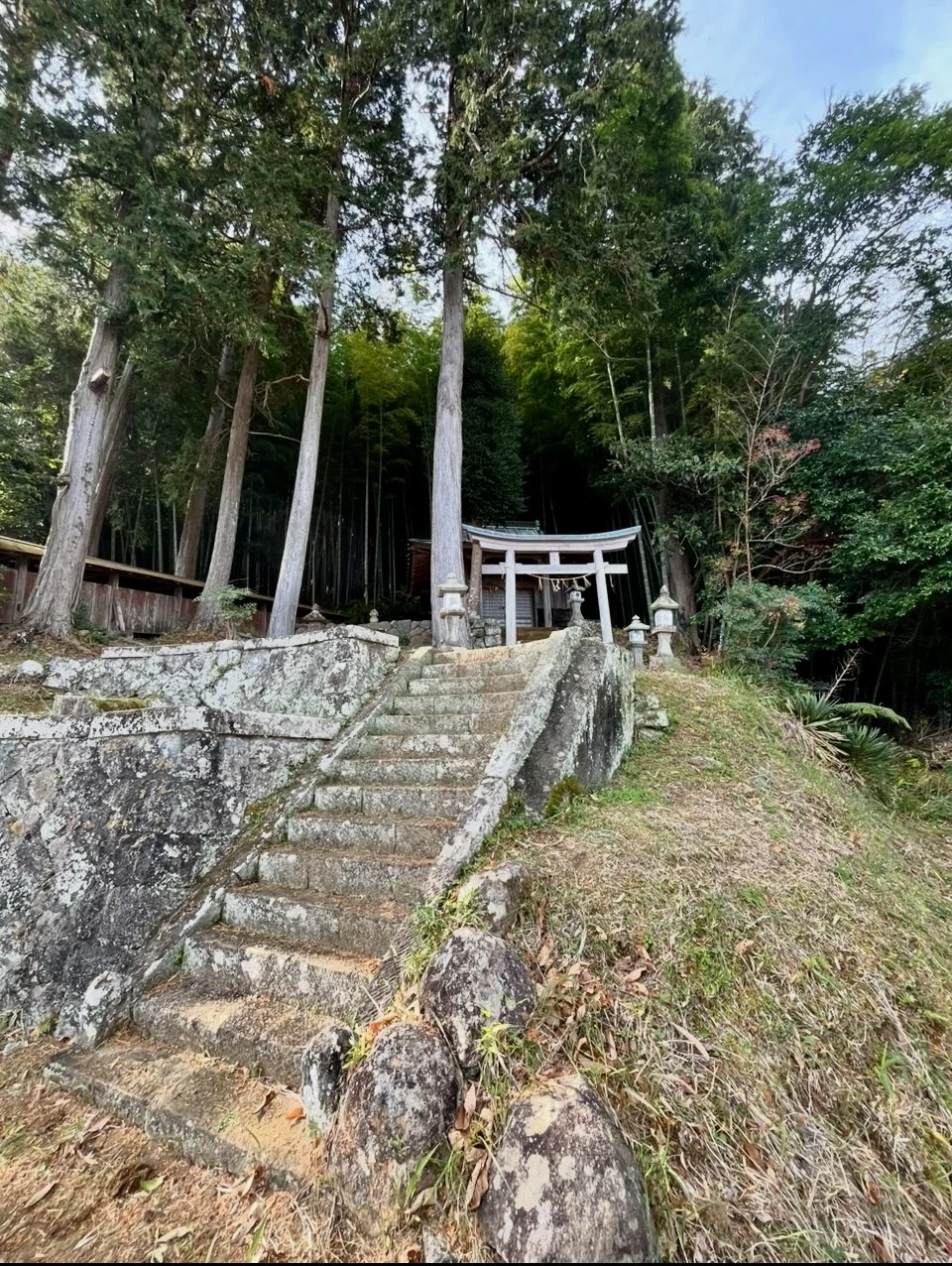
An old Japanese Shrine in the countryside